November 9, 2026
How to Make Spicy Hot Dogs with Big Flavor
By @cashdhzc363
A spicy hot dog can be a throwaway meal, or it can be the kind of thing people keep talking about after the grill cools down. The difference usually has very little to do with buying the most expensive sausage in the case. It comes down to layering heat, building contrast, and treating the hot dog like a real dish instead of a blank tube in a bun.
That sounds grand for something sold at ballparks and gas stations, but the principle holds. Heat by itself gets dull fast. Big flavor comes from balance: smoke, acid, fat, sweetness, char, salt, and texture. If you want a spicy hot dog that tastes deliberate rather than simply aggressive, you have to think beyond squeezing on extra hot sauce and hoping for the best.
I have cooked enough hot dogs at backyard cookouts, late-night apartment dinners, and game-day spreads to know where people usually go wrong. They chase pure heat, overload the toppings, or use a bun that collapses after two bites. The best spicy dogs are focused. Every component has a job. The sausage should have snap and seasoning. The bun should support without stealing attention. The spicy element should hit in more than one way, often with a base level of chile warmth and a sharper top note from a sauce, relish, or fresh pepper.
Start with the right kind of hot dog
If the hot dog itself is bland, no amount of condiments will rescue it. For spicy builds, I prefer an all-beef dog with a firm casing when I can find one. Beef stands up well to strong toppings like jalapeños, chipotle, pickled onions, and mustard. A natural casing gives you that clean snap when you bite in, which matters more than people think. Texture is part of flavor perception. A soft, watery dog disappears under spicy toppings. A taut one keeps its identity.
Pork and beef blends can work well too, especially if you like a richer, slightly softer bite. Chicken or turkey hot dogs are harder to make exciting in a spicy format because they tend to be leaner and milder. That does not mean they are unusable. It means you need to compensate with stronger sauces and more deliberate toppings.
When you shop, read the label in practical terms. Look for a hot dog with a short ingredient list, visible seasoning in the sausage if possible, and enough fat to stay juicy over heat. Low-fat dogs are the easiest to overcook, and once they dry out, the bun and condiments have to do too much work.
Heat is not one thing
A lot of cooks treat spiciness as a single dial. Turn it up, and the food gets better. That is rarely true. Good spicy hot dogs use different kinds of heat that arrive at different times.
Fresh jalapeño gives a green, bright bite. Serrano is sharper and more assertive. Chipotle brings smoke along with heat. Cayenne is direct and fast. Hot mustard can clear your sinuses for a second, then fade. A fermented chile sauce adds tang and depth. Pickled peppers hit differently from raw ones because the vinegar changes the shape of the heat.
If you stack all those carelessly, the result becomes noisy. If you choose two or three on purpose, you get dimension. One of my favorite combinations is a grilled all-beef hot dog with chipotle mayo, pickled jalapeños, and a spoonful of onion relish. The chipotle provides slow, smoky warmth. The jalapeños bring acidity and a firmer edge. The onions add sweetness so the whole thing does not feel like a dare.
That balance is what separates memorable spicy food from punishment.
Grilling, griddling, or pan-searing
The cooking method changes the personality of a hot dog more than most home cooks expect. Grilling is the obvious route, and for good reason. You get blistered skin, some smoke, and a little bitterness from char. That bitterness helps when the toppings are rich or sweet. If you are making spicy hot dogs outdoors for a crowd, grilled is the easiest way to create flavor fast.
A griddle or cast-iron pan gives you more control. You can develop even browning and keep flare-ups from scorching the casing. This matters when you are working with sugary glazes or thick sauces that can burn. Pan-searing is also useful if you want to baste the hot dogs in butter and spices during the last minute of cooking. A quick spooning of melted butter with smoked paprika, garlic, and a little chili powder can make a plain dog taste much more intentional.
Steaming or boiling has its place, mostly if you want a very soft, nostalgic texture. But if the goal is big flavor, those methods generally leave potential on the table. You miss out on browning, and browning is where many of the savory, roasted notes come from.
Buns are not an afterthought
A weak bun ruins a strong hot dog. It splits, turns gummy, or goes cold while you are still arranging toppings. For spicy dogs, you want a bun with some resilience. A classic split-top bun is ideal if you can toast it properly. A sturdier brioche-style bun can work, though it sometimes adds more sweetness than you need. Potato buns are a good middle ground, soft but not fragile.
Always toast the bun. That single step keeps the interior from going soggy and adds a slight nutty flavor that helps frame the sausage. You do not need much. Thirty to sixty seconds on the grill or in a buttered pan usually does it. If the bun is hot and the dog is hot, the condiments settle better and the first bite feels composed rather than messy.
There is also a ratio issue. The bun should cradle the hot dog, not engulf it. Oversized bakery buns can make a spicy hot dog feel underseasoned because each bite gets diluted with bread.
The building blocks that make spicy hot dogs taste bigger
When people say they want a hot dog with big flavor, they are often asking for one of five things without knowing it: more savoriness, more contrast, more aroma, more texture, or more finish. You can achieve all of that with fairly ordinary ingredients if you combine them thoughtfully.
Here are the components I reach for most often:
- a smoky heat source, such as chipotle in adobo, smoked paprika, or charred peppers
- an acidic element, like pickled jalapeños, sport peppers, vinegar slaw, or quick-pickled onions
- a creamy or fatty buffer, such as mayo, cheese sauce, crema, or avocado
- something sweet or jammy, often caramelized onions, sweet relish, or a touch of honey in the sauce
- a crisp finish, which might be raw onion, shredded cabbage, celery salt, or crushed fried onions
That list is less a formula than a checklist for balance. You do not need all five every time, but if a spicy hot dog feels flat, one of those categories is usually missing.
A reliable spicy hot dog formula
If you want one approach that works almost every time, start with a grilled beef hot dog, a toasted bun, and a two-part condiment strategy. Use one creamy spicy layer and one bright spicy layer. For example, spread a thin swipe of chipotle mayo inside the bun, add the dog, then top with pickled jalapeños and a spoonful of onion relish. Finish with yellow mustard or a sharp deli mustard, depending on how punchy you want it.
Why this works is simple. Mayo softens the edges of the heat and helps the toppings stick. Pickled peppers cut through the richness. Onion relish adds sweetness. Mustard gives a final acidic snap. Every bite tastes full, but not muddled.
If you like stronger heat, a little finely chopped fresh serrano can go on top, but use restraint. The fastest way to ruin a hot dog is to add so much raw chile that all you taste is capsaicin and crunch.
A cookout version that feeds people well
For outdoor gatherings, spicy hot dogs need to be fast, easy to assemble, and predictable. People build with their eyes first. If the toppings look sloppy or confusing, they tend to retreat to ketchup and plain mustard.
What works best is setting out a few toppings that clearly differ from one another in color and texture. A red sauce, green peppers, pale slaw, and dark grilled onions make it obvious how to build something flavorful. You can prepare most of this in advance. In fact, the flavor often improves if the pickled and onion components sit for an hour or two.
One approach I have used for neighborhood cookouts is to grill the hot dogs until just blistered, then hold them in a covered pan with a spoonful of butter and a splash of pickle brine. That keeps them hot and juicy for late arrivals. It sounds small, but it solves a common party problem: the first batch tastes great, and the second batch dries out while everyone is still talking near the cooler.
The best spicy toppings are often the simplest
There is a tendency to overcomplicate spicy food with six sauces and twelve garnishes. Hot dogs do not benefit from that. They need a clear point of view.
Chili can be excellent on a spicy hot dog, but if the chili is heavily spiced and the hot dog is already smoky and the bun is sweet, you can lose the shape of the dish. Cheese sauce can add comfort and richness, yet too much turns everything into warm paste. Bacon brings crunch and salt, but it can dominate lighter hot dogs.
Some of the best spicy toppings are straightforward. Charred jalapeños mellow on the grill and gain sweetness around the edges. Quick-pickled red onions take ten minutes to prepare and make almost any hot dog taste brighter. A slaw dressed with lime juice, salt, and a touch of sugar can cool the palate while still adding energy. Even a simple hot mustard has a lot going for it, especially on grilled beef dogs.
One topping I return to often is a rough onion-pepper relish made from sautéed onions, diced jalapeños, a little vinegar, and a spoonful of brown sugar. Cooked down until glossy, it hits sweet, savory, and spicy all at once. It tastes homemade because it is, and people notice the difference.
A five-step method for bold, balanced spicy dogs
- Heat your grill or pan until it is genuinely hot, then cook the hot dogs until blistered and browned in spots, usually 5 to 8 minutes depending on thickness.
- Toast the buns briefly so the cut sides pick up color and resist moisture.
- Spread on one base condiment, such as chipotle mayo, spicy mustard, or a thin layer of cream cheese with hot sauce.
- Add one acidic topping and one savory or sweet topping, for example pickled jalapeños plus grilled onions.
- Finish with a crisp garnish or a final dash of sauce, then serve immediately while the bun is warm and the casing still has snap.
That method keeps the hot dog readable. You can swap ingredients freely, but the structure stays sound.
Homemade heat beats random heat
Store-bought hot sauce is useful, and some brands are excellent, but making one quick spicy component at home gives your hot dog a distinct identity. It does not have to be elaborate. Stir together mayonnaise, minced chipotle in adobo, lime juice, and a pinch of salt, and you have a smoky spread that tastes like it belongs on grilled meat. Simmer ketchup with a little vinegar, hot sauce, Worcestershire, and a spoonful of brown sugar, and you get a spicy red sauce with more body than anything from a squeeze bottle.
The advantage of homemade condiments is not just freshness. It is control. You decide whether the heat leans smoky, sharp, fruity, or vinegary. You decide if the sauce should cling or run. That matters on a hot dog because there is so little real estate. Every ingredient has an outsized effect.
Common mistakes that flatten flavor
The most common problem is using too much sauce. A hot dog is not a rack of ribs. It cannot absorb or support a flood of liquid. If the toppings slide out after the first bite, the proportions were off from the start.
Another mistake is applying heat without acidity. Fatty, spicy food can feel heavy unless something cuts through it. That is why pickles, mustard, slaw, and vinegar relishes earn their place. They sharpen the whole bite.
Overcooking is another frequent issue. People leave hot dogs on a grill until they split wide open, leak their juices, and shrivel. A little splitting is fine. Total rupture is not. You want browning and snap, not dehydration.
Then there is the sweetness trap. Sweet relish, sweet buns, sweet barbecue sauce, and caramelized onions can quickly tip a spicy hot dog into candy territory. One sweet element is usually enough.
Finally, there is raw onion abuse. I like raw onion, but thick, harsh pieces can drown out everything else, especially on a spicy dog. If you want raw onion, chop it fine or rinse it briefly in cold water to take off the sharpest edge.
Flavor combinations worth trying
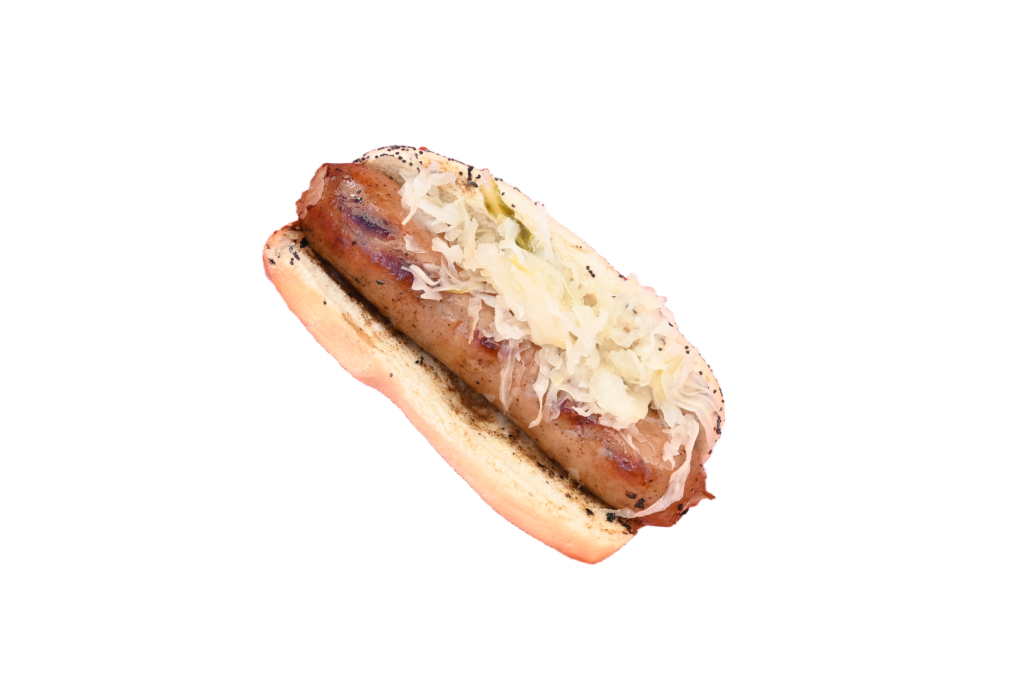
A spicy hot dog can travel in different directions without https://elliottlkbz995.clearhavendigest.com/posts/easy-gourmet-hot-dog-ideas-for-any-occasion losing its identity. If you prefer a Southwestern profile, think chipotle, grilled corn relish, cotija, and lime. For something closer to deli flavors, go with spicy brown mustard, sauerkraut, pickled peppers, and onions. If you want a richer, late-night version, a beef dog with spicy chili, diced white onion, and a restrained amount of cheese sauce works well, especially if the chili itself is more savory than sweet.
One combination I have made for small dinner parties sounds casual but eats like a composed dish: grilled all-beef hot dog, butter-toasted bun, charred jalapeño slices, onion relish, crema mixed with lime zest, and crushed tortilla chips for crunch. It is playful, but every part contributes. The chips are not there as a gimmick. They absorb a little moisture and add texture that would otherwise be missing.
Another dependable build is a spicy slaw dog. Toss thin cabbage with lime juice, salt, a touch of sugar, and finely chopped serrano. Put that over a mustard-brushed grilled hot dog and finish with crispy onions. It is lighter than a chili dog, but the flavor still lands hard.
Matching spice level to the crowd
When cooking for mixed company, it helps to build moderate heat into the hot dog and let the table supply the rest. Make the sausage itself flavorful and only mildly spicy, then offer a hotter finishing sauce on the side. That way children or spice-cautious guests can still enjoy the base version, while heat-seekers can push theirs further.
I have found that smoky heat tends to be more broadly appealing than sharp, raw heat. Chipotle, ancho, and roasted jalapeño are easier to live with than a heavy hand of habanero. Habanero has its place, but on a hot dog it can hijack the entire experience if not diluted by fruit, fat, or sugar.
This is also where texture and temperature matter. A cool slaw or crema can make a spicy hot dog feel less intense without actually reducing the chile content. That is useful when you want complexity rather than brute force.
If you want restaurant-style results at home
The gap between a decent home hot dog and a really good one is mostly attention. Heat the cooking surface properly. Toast the bun. Season any homemade topping enough to stand on its own. Taste for acid before serving. Use fewer toppings than you think you need. Serve immediately.
Restaurants also understand staging. They prep their relishes ahead, hold sausages at the right temperature, and build quickly. Home cooks often do the opposite. They start chopping onions after the hot dogs are cooked, then wonder why everything feels disjointed. If you set out your condiments and warm your buns before the sausages come off the heat, the whole meal sharpens.
Even small details help. A light brush of oil before grilling encourages even blistering. A spoonful of pickle brine in the onion relish wakes it up. A pinch of celery salt at the end can bring a familiar hot-dog-stand note that ties together otherwise bold toppings.
Big flavor does not need a long ingredient list
A spicy hot dog only needs a few things done well. Start with a good sausage. Brown it properly. Use a bun that can hold together. Add heat with intention, not vanity. Then support that heat with acid, richness, and crunch.
That is how you get the kind of hot dog that tastes bigger than its size suggests. It still feels casual. It is still easy to eat standing up near a grill, over a paper plate, with juice running down your wrist. But each bite has shape. First the snap, then the smoke, then the heat, then the bright lift of something pickled or sharp. That sequence is what people remember.
If your last spicy hot dog tasted chaotic, dial it back and build with purpose. If it tasted flat, add acid before you add more chile. If it felt heavy, trade one rich topping for something crisp. Hot dogs are forgiving, but they reward judgment. Get the balance right, and a simple spicy hot dog becomes one of the most satisfying things you can cook in under ten minutes.
Under Construction Hot Dogs
1225 W U.S. Hwy 50, Pueblo, CO 81008
FAQ About hot dog
What are different types of hotdogs?
Under Construction Hot Dogs offers a classic all-beef hot dog, a quarter-pound Jumbo Dog, a Chili Dog, and a Chicago Dog, along with brats and a Spicy Link.
What does a chili dog have on it?
Our Chili Dog pairs a Vienna all-beef hot dog with chili, shredded cheddar cheese, and finely diced onions.
What is in a traditional Chicago dog?
Our Chicago Dog comes on a steamed poppy seed bun with yellow mustard, bright green relish, onions, tomato wedges, a pickle spear, sport peppers, and celery salt.
❧